
EMPOWERING LOCAL MANDARIN TEACHERS: PROFESSIONAL TRAINING BUILDS BRIDGES, STANDARDS GUIDE TEACHING INNOVATION
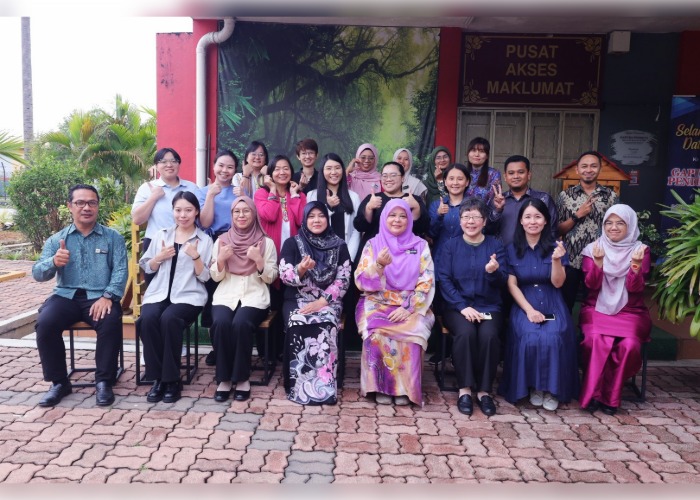
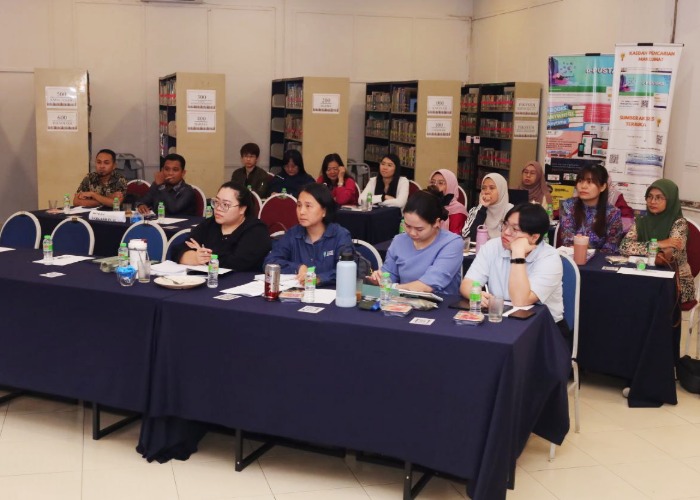
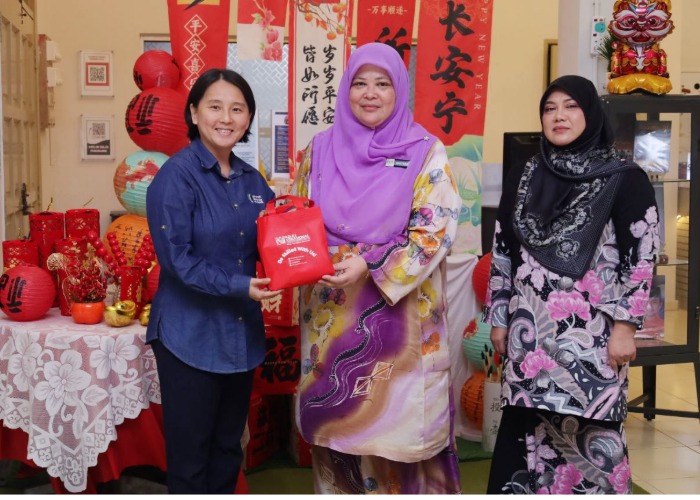
On January 15 2025, the Institute Kong Zi of Universiti Malaya successfully organized a professional development session for 15 local Chinese language teachers at Gapura Pendeta Kolej Vokasional Shah Alam. The full-day training, conducted from 8:30 a.m. to 4:30 p.m., focused on the practical application of the International Chinese Language Education Standards (the Standards) across three key instructional areas: resource utilization, vocabulary teaching, and classroom design.
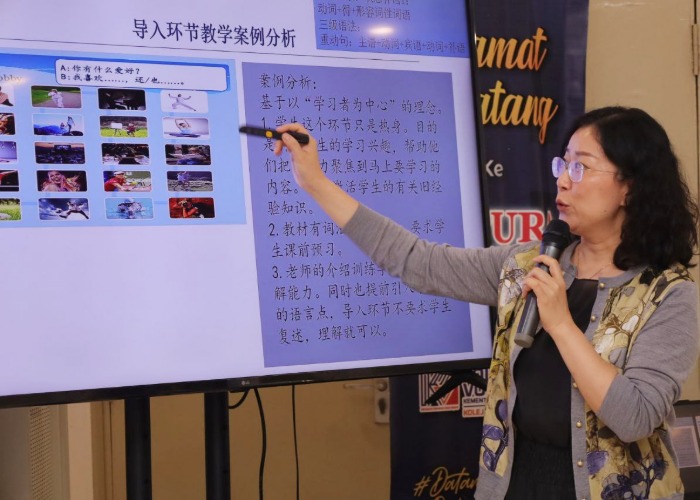
The training commenced with Assoc. Prof. Wang Zulei from Beijing Foreign Studies University (BFSU), who led a case analysis of standards-based classroom design. She illustrated how to translate the principles of the Standards into learner-centered lesson plans, effectively integrating language knowledge with practical skills while preserving the unique characteristics of Mandarin instruction.
Prof. Hao Meiling, also from BSFU, followed with an in-depth exploration of vocabulary pedagogy. Focusing on the “Three Tiers and Nine Levels” framework within the Standards, she provided teachers with systematic methods and practical techniques to help students build vocabulary proficiency in alignment with established benchmarks.
Concluding the session, Ms. Ju Hui, Deputy Chief Editor of the Chinese Language and Culture Publishing Division at the Foreign Language Teaching and Research Press, addressed the strategic selection and innovative application of teaching resources. She demonstrated how to evaluate, adapt, and effectively deploy materials under the guidance of the Standards, ensuring resources meet diverse learner needs and enhance instructional outcomes.
The annual local Mandarin teacher training program has become a vital professional development platform in the field of Mandarin education in Malaysia. Each year, this thoughtfully designed training program brings local Mandarin teachers the latest developments in international Mandarin education, it shows us how to understand the latest Standards, including the teaching strategies that have been proven to work in real classrooms. This valuable information and guidance enable teachers to adjust their teaching approaches in a timely manner, optimize curriculum design, and ensure the scientific rigor, systematic structure, and timeliness of instructional content, all while keeping up with the latest trends and requirements in the profession.
Through systematic study of the International Chinese Language Education Standards and their application, teachers have not only deepened their understanding of the essence of Mandarin teaching but have also acquired the ability to integrate international standards with local practices. This training model, which balances theory and practice, helps teachers enhance classroom quality while preserving their unique teaching characteristics, thereby creating more standardized and effective learning experiences for students.
We believe that such ongoing professional training is crucial for the growth of local Mandarin teachers. It not only provides essential opportunities for knowledge renewal and skill enhancement but also fosters a community for professional exchange and collaboration. We look forward to future training programs continuing to expand in depth and scope, empowering more Mandarin teachers and collectively advancing the ongoing development of Mandarin language education in Malaysia toward higher standards and quality.
Prepared by: Lee Cheng May & Kang Mei Feng